One Truck Goes Down—What Happens to the Rest of Your Operation?
Published on: 19/10/2026
Longhorn Upfitters Used Take-Off Service Body being Fully Refurbed and Upfitted

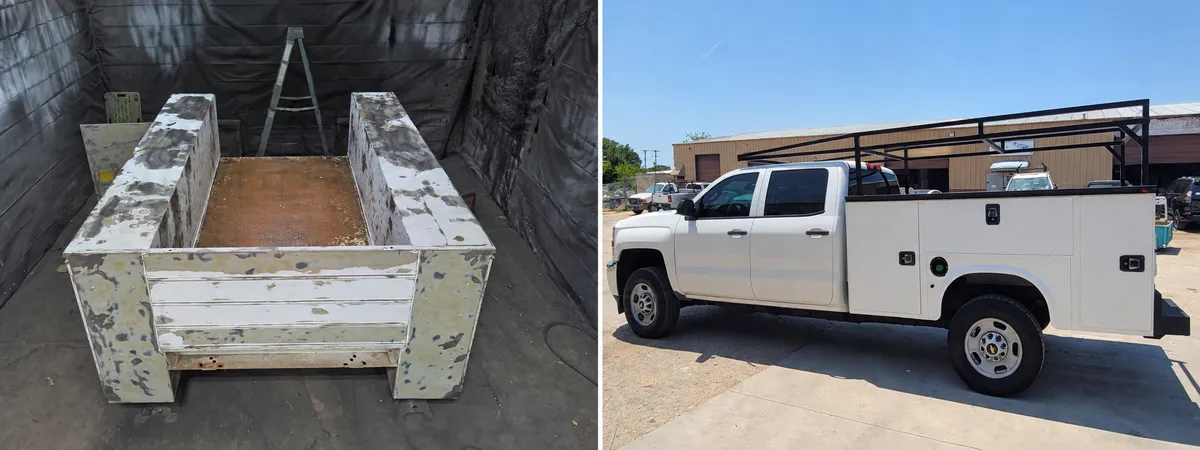
Longhorn Upfitters Used Take-Off Service Body being Fully Refurbed and Upfitted
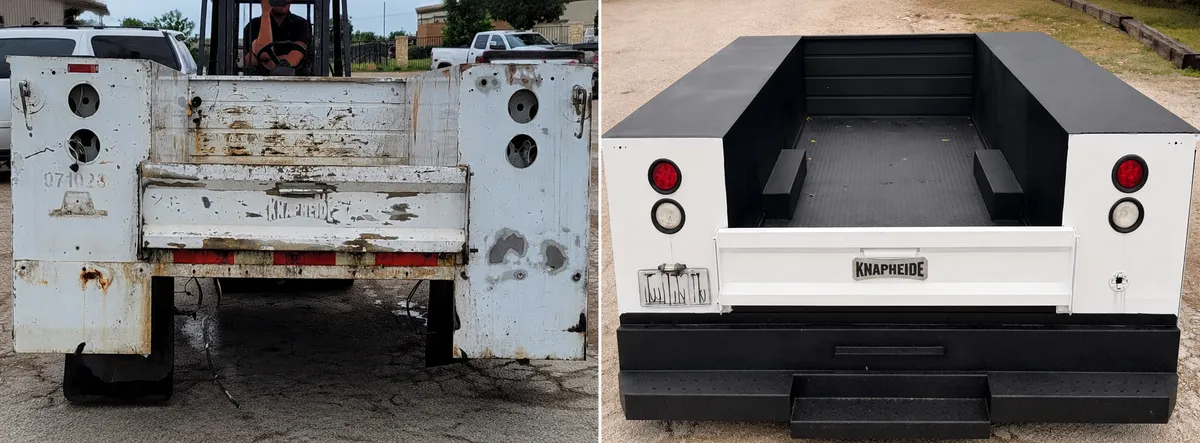
Longhorn Upfitters Used Service Body Take-Off and Fully Refurbed Service Body
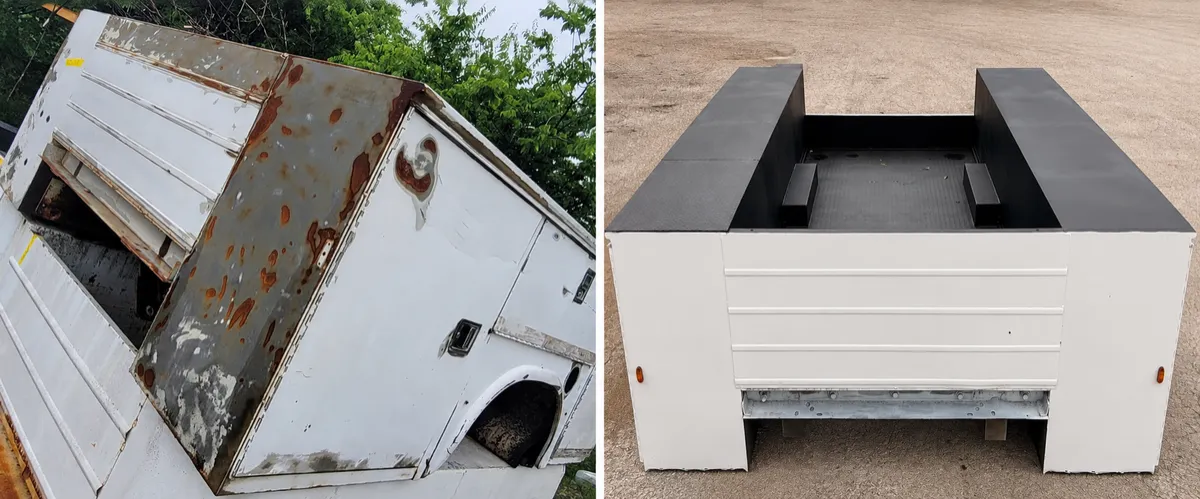
Longhorn Upfitters Used Service Body Take-off and a Fully Refurbished Service Body
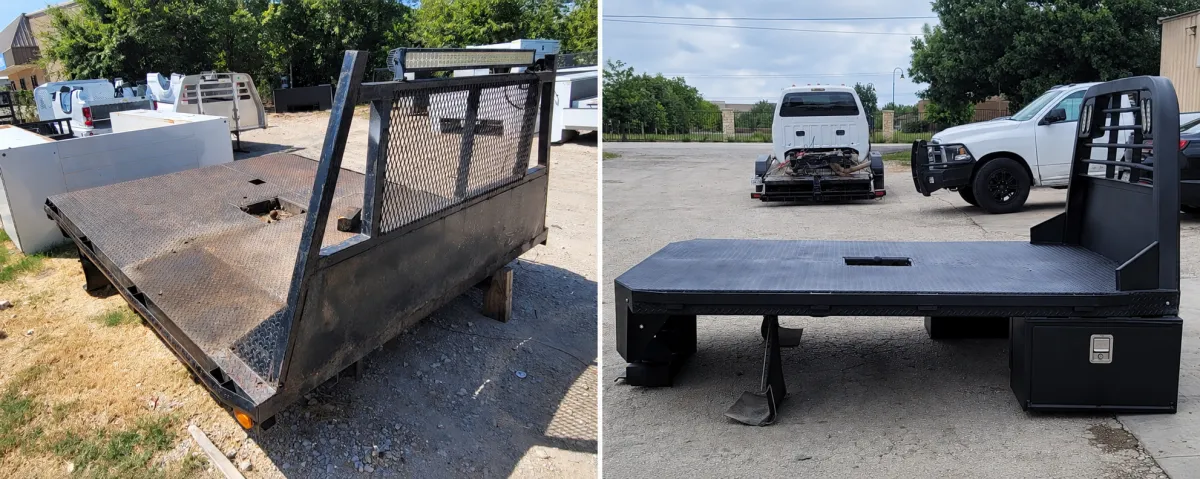
Used Flatbed Take off to a fully refurbished flatbed.
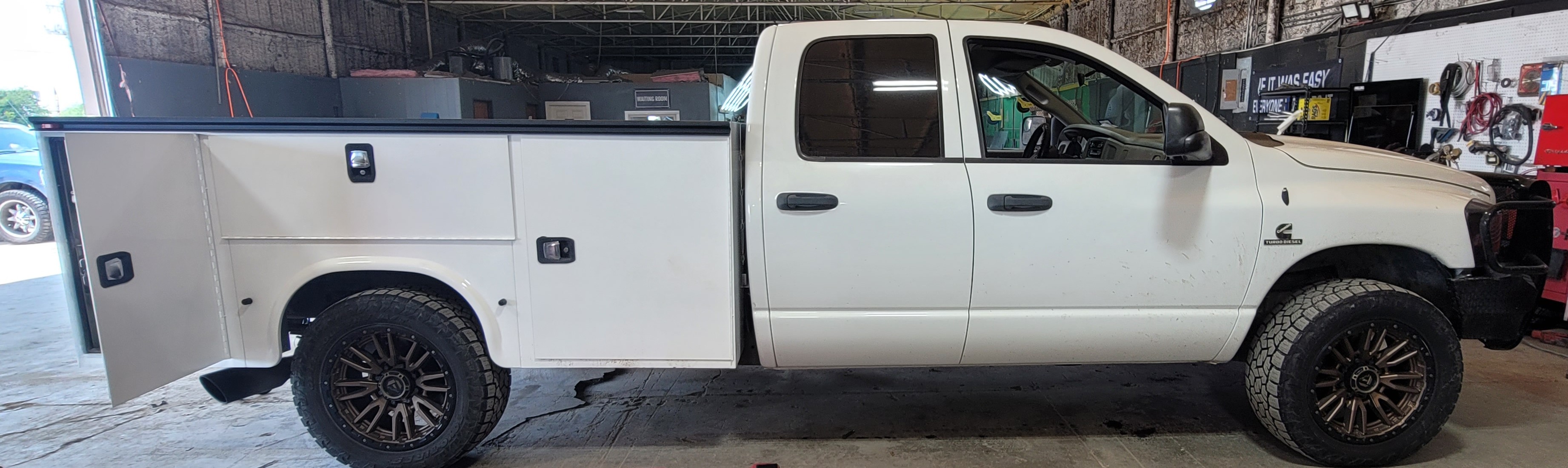
Commercial Truck Upgrade at Longhorn Upfitters in Arlington Texas.
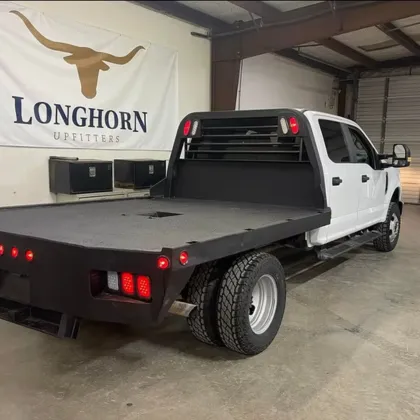
Flatbed, take-off, refurbishment, bed lining, and install in Arlington Texas
Replacing a truck bed can sometimes affect the trailer wiring harness. Loose connections, damaged wiring, blown fuses, poor grounds, or stretched harnesses may prevent the trailer lights from operating correctly.
Flickering lights are commonly caused by:
Loose ground connections
Damaged wiring
Moisture inside connectors
Poor electrical connections
Overloaded circuits
The electrical system should be inspected before adding additional accessories.
Do not immediately clear dashboard warning lights. Take a picture of the warning message and contact the installer. Warning lights may indicate issues involving sensors, cameras, wiring, lighting circuits, or other components affected during installation.
If the warning involves brakes, overheating, fuel leaks, or another serious safety concern, stop driving the truck until it has been inspected
If your truck suddenly won't accept fuel after a flatbed installation, stop trying to force fuel into the tank. The fuel-fill hose or vent hose may be kinked, pinched, installed at the wrong angle, or otherwise restricted. Longhorn Upfitters can inspect the fuel-fill system and correct installation-related problems before they lead to additional damage.
A fuel nozzle that repeatedly clicks off usually indicates restricted fuel flow or improper tank venting. Common causes include:
-Kinked fuel-fill hose
-Pinched vent hose
-Incorrect filler-neck angle
-Improperly mounted fuel-fill assembly
-Poor hose routing
A professional inspection is recommended.
Fuel spilling from the filler neck is a sign that fuel cannot enter the tank properly. Stop fueling immediately and have the fuel-fill and venting system inspected. Continuing to force fuel into the tank can create a serious fire hazard.
A damaged, disconnected, or pinched wiring harness may prevent the fuel gauge from reading correctly. The wiring, sending unit, grounds, and electrical connections should all be inspected.
The factory camera may have been disconnected, damaged, relocated incorrectly, or connected using an incompatible extension harness. Longhorn Upfitters can inspect the camera system, wiring, mounting location, and programming requirements.
Parking sensors may give false warnings if they're installed at the wrong height, wrong angle, damaged, or blocked by part of the new bed or bumper. The sensors, brackets, and wiring should be inspected.
The truck bed itself should not shift, bang, or move excessively. Loose mounting hardware, worn isolators, improper mounting, cracked brackets, or contact between the bed and frame can all create unusual noises.
An uneven flatbed may result from improper mounting, suspension issues, damaged mounting hardware, frame concerns, or uneven weight distribution. The truck should be inspected before further use.
Yes. There should always be proper clearance between the flatbed and the cab. Contact between the two may indicate loose mounting hardware or an improperly positioned bed and should be corrected immediately.
Additional equipment changes the truck's weight distribution, braking characteristics, and suspension performance. If the truck leans, sways, bottoms out, or handles unusually, have the suspension, axle loads, and weight distribution inspected.
Tire rubbing may result from excessive weight, suspension sag, incorrect wheel offset, poor equipment placement, or insufficient clearance. Continued operation can damage the tires and create a safety hazard.
Verify that the truck battery is fully charged and the liftgate's main power switch is turned on. Also inspect the circuit breaker, battery connections, wiring, and controls. Never bypass the liftgate's safety systems or work beneath a raised platform.
A slow liftgate may be caused by low battery voltage, poor electrical connections, low hydraulic fluid, a weak motor, a failing hydraulic pump, or excessive weight on the platform. If the liftgate jerks, leaks, or cannot support its load, discontinue use until it has been inspected.
Stop using the crane immediately and remove the truck from service until it has been inspected. Crane problems may involve electrical systems, hydraulics, structural components, stability issues, or overload conditions. Never attempt to repair or operate a crane while supporting a load.
Yes. Longhorn Upfitters can inspect many flatbed, service body, liftgate, crane, lighting, wiring, hitch, and accessory installations completed by other companies. We can identify visible installation concerns and provide recommendations for repairs or corrections.
To help us diagnose your concern more efficiently, please provide:
Truck year, make, and model
Description of the installed equipment
When the problem first appeared
Photos or videos of the issue
Photos of the installation
Dashboard warning lights or fault messages
Original installation invoice (if available)


M-F from 7:30am - 4pm. Saturday & Sunday is closed
© 2025.Longhorn Upfitters . All Rights Reserved.