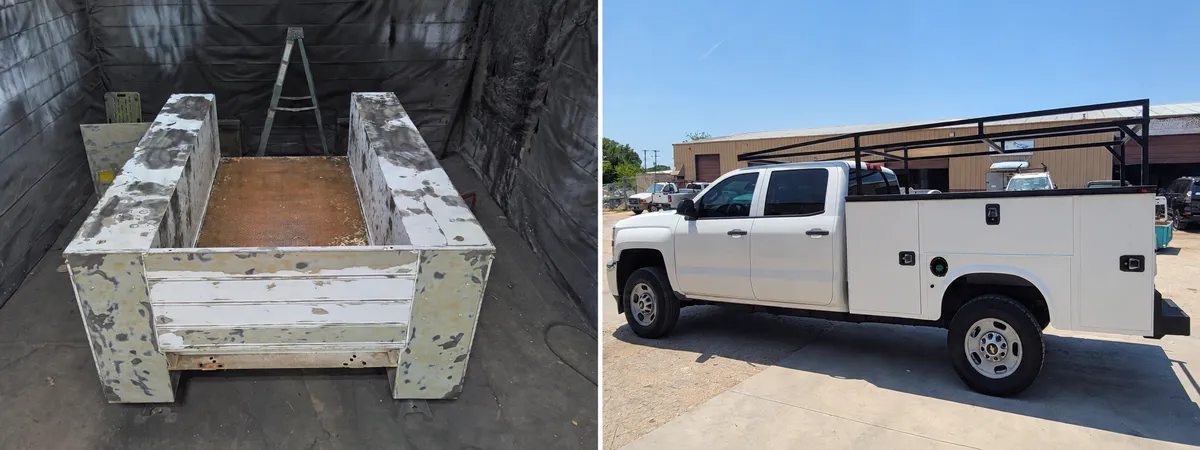
One Truck Goes Down—What Happens to the Rest of Your Operation?
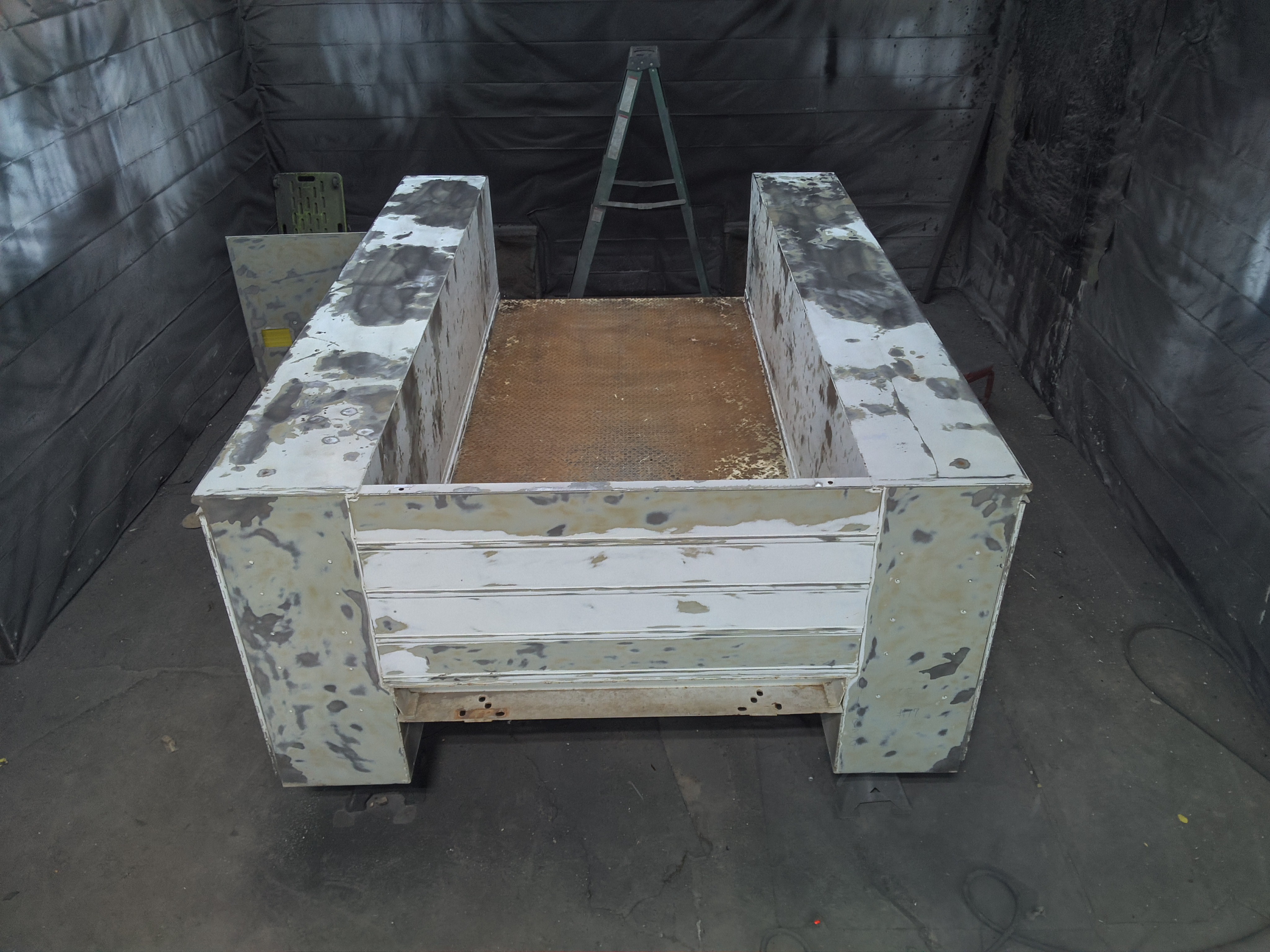
One work truck develops a problem and suddenly cannot leave the yard.
At first, it may seem like a problem involving only one vehicle. However, for a contractor, service company, utility crew, landscaper, or fleet operator, one disabled truck can disrupt far more than a single assignment.
The crew may lose access to its tools. Scheduled jobs may need to be reassigned. Another vehicle may be overloaded with additional equipment. Customers may have to wait longer. Employees may spend part of the day moving tools instead of completing paid work.
The real cost of downtime is not limited to the repair bill. It includes everything that happens throughout the operation while that truck remains unavailable.
Downtime Creates a Chain Reaction
Work trucks are more than transportation. They carry the tools, parts, materials, and equipment employees need to perform their jobs.
When one truck goes down, the company may have to make several immediate adjustments:
Move the crew to another vehicle
Transfer tools and supplies
Reschedule appointments
Delay deliveries
Rearrange employee assignments
Send multiple vehicles to replace one properly equipped truck
Rent or borrow temporary equipment
Postpone work until repairs are completed
Each adjustment requires time and coordination. Even if the original equipment problem is relatively small, the disruption surrounding it can become expensive.
The Crew May Lose More Than a Vehicle
A crew assigned to a service truck may depend on the exact equipment stored inside it.
That truck may contain specialized tools, replacement parts, safety equipment, mounted machinery, organized storage, or materials prepared for specific jobs. Moving employees into another vehicle does not necessarily restore their full capabilities.
The backup vehicle may not have:
The correct storage layout
Enough payload capacity
The necessary liftgate, crane, rack, or hitch
Properly secured tool storage
Space for the required materials
Electrical connections for specialized equipment
The same accessibility and organization
The equipment needed for the scheduled work
A crew may still reach the jobsite but be unable to work as efficiently—or complete the job at all.
Other Trucks Absorb the Pressure
When one vehicle becomes unavailable, the remaining fleet usually carries the extra workload.
That may mean additional mileage, longer routes, heavier loads, more operating hours, and less time available for routine maintenance. If the disruption continues, the other vehicles can begin experiencing increased wear.
Managers should be careful not to solve one equipment problem by creating another. Overloading a backup truck, carrying equipment without proper securement, or postponing necessary maintenance can increase the risk of additional downtime.
The goal is not simply to keep every crew moving at any cost. The temporary solution still needs to be appropriate for the vehicle and the work.
Small Delays Affect the Customer Experience
Customers may never see the damaged flatbed, failed liftgate, broken compartment, trailer issue, or cracked mounting area that caused the delay. They only experience the result.
That result may include:
A crew arriving late
An appointment being rescheduled
A delivery being postponed
A technician arriving without the correct equipment
A project taking longer than expected
Slower communication while the company rearranges its schedule
One delay may be manageable. Repeated delays can affect customer confidence and make the business appear less dependable—even when the underlying problem is equipment-related.
Reliable work trucks help companies deliver reliable service.
Downtime Has Several Costs
The repair itself may be only one part of the total expense.
A disabled work truck can create costs involving:
Lost labor time
Missed or delayed jobs
Overtime
Vehicle rental
Towing
Emergency parts
Expedited shipping
Additional fuel
Tool and material transfers
Administrative rescheduling
Lost revenue
Customer dissatisfaction
Not every interruption will create all these expenses. However, understanding the full operational impact helps explain why preventive attention and timely repairs matter.
A company should not wait until equipment completely fails before deciding whether it needs service.
Warning Signs Often Appear Before Failure
Some equipment failures happen unexpectedly, but others provide early warning signs.
Crews and managers should pay attention to problems such as:
Cracks developing near welds or mounting points
Doors, drawers, or latches becoming harder to operate
Liftgates moving unevenly or making unusual noises
Electrical components working intermittently
Rust spreading around structural areas
Loose equipment or mounting hardware
Water entering storage compartments
Trailer components showing excessive wear
Floors flexing or becoming damaged
Lights or connections repeatedly failing
Previous repairs beginning to separate
Equipment shifting during normal use
These signs do not automatically mean the truck must be removed from service. They do mean the equipment should be evaluated before the problem becomes more disruptive or potentially unsafe.
Make Inspections Part of the Workday
Drivers and crews interact with their trucks every day. They are often the first people to notice that something has changed.
A simple inspection routine can help identify developing issues earlier.
Before or after using a work truck, employees can check:
Doors, handles, hinges, and locks
Compartments and drawers
Visible mounting hardware
Flatbed or service-body flooring
Hitch and bumper areas
Liftgate operation
Trailer connections
Lights and wiring
Unusual movement, vibration, or noise
New rust, cracks, dents, or leaks
Employees should also have a clear way to report problems. If a driver notices a loose bracket but does not know who to tell, the issue may remain unaddressed until it becomes more serious.
The inspection does not need to be complicated. It needs to be consistent.
Prioritize Problems by Operational Risk
Not every scratch or worn component requires the truck to be taken out of service immediately. Companies need a practical way to separate cosmetic concerns from problems that affect function, reliability, or safety.
Equipment concerns can generally be placed into three categories:
Monitor
Minor cosmetic wear or surface issues that do not currently interfere with operation may be documented and checked regularly.
Schedule
Problems that affect usability but do not require immediate removal from service should be scheduled for repair before they worsen. Examples may include a sticking compartment, damaged seal, weak gas strut, or intermittent light.
Stop and Evaluate
Structural damage, loose mounting components, unstable equipment, serious liftgate problems, or other conditions that could create a safety risk should be evaluated before the truck returns to normal work.
When employees understand these categories, the company can respond appropriately without ignoring important warning signs or overreacting to minor cosmetic wear.
Build a Basic Downtime Plan
Even a well-maintained truck can experience an unexpected problem. A basic contingency plan can reduce confusion when it happens.
A useful plan may identify:
Which vehicle can serve as a temporary replacement
Which tools and materials must be transferred first
Who is responsible for rearranging the schedule
Which jobs require specialized equipment
Where rental equipment can be obtained
Who contacts customers affected by delays
Which repair provider should be contacted
How the company documents and tracks equipment problems
Fleet operators should also know which trucks are critical to daily operations. A vehicle with specialized equipment may deserve a different backup plan than a standard pickup.
Repair Early or Replace Strategically
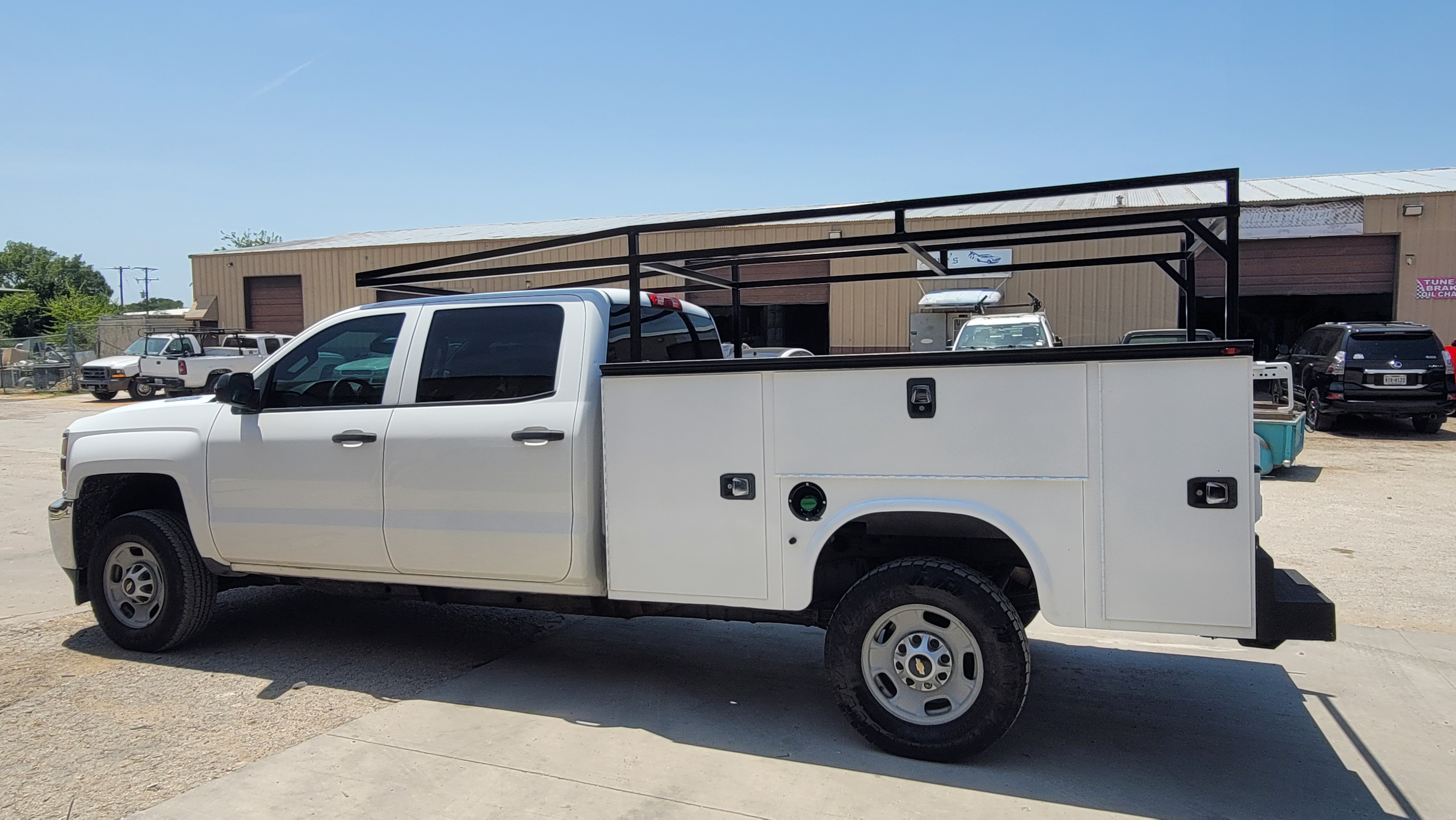
Timely repair does not mean fixing every cosmetic imperfection. It means addressing functional and structural problems before they cause a larger interruption.
In some cases, repairing a damaged component may be enough. In others, refurbishing an older flatbed or service body can extend its usable life. Replacement may be the better decision when equipment has widespread structural damage, repeated failures, or no longer meets the crew’s needs.
The decision should consider:
Equipment condition
Repair history
Expected service life
Availability of replacement equipment
Installation requirements
Repair and replacement costs
Operational downtime
The truck’s importance to the fleet
Planning the work during a slower period is usually easier than responding after the equipment fails during a full schedule.
One Disabled Truck Should Not Control the Entire Schedule
Equipment problems cannot always be prevented. Their impact, however, can often be reduced through consistent inspections, early reporting, timely service, and a realistic backup plan.
The most important question is not simply:
“How much will this repair cost?”
It is:
“What will this problem cost the operation if the truck becomes unavailable?”
Longhorn Upfitters works with contractors, service companies, and fleet operators throughout Arlington and the Dallas–Fort Worth area. Our services include flatbed and service-body installation, equipment refurbishment, trailer repair, liftgate installation and repair, custom welding and fabrication, and other work-truck solutions.
If a truck-body or equipment problem is beginning to affect your operation, addressing it now may help prevent a much larger disruption later.
Call Longhorn Upfitters at 214-235-0921 to discuss your work truck, fleet equipment, or repair needs.
