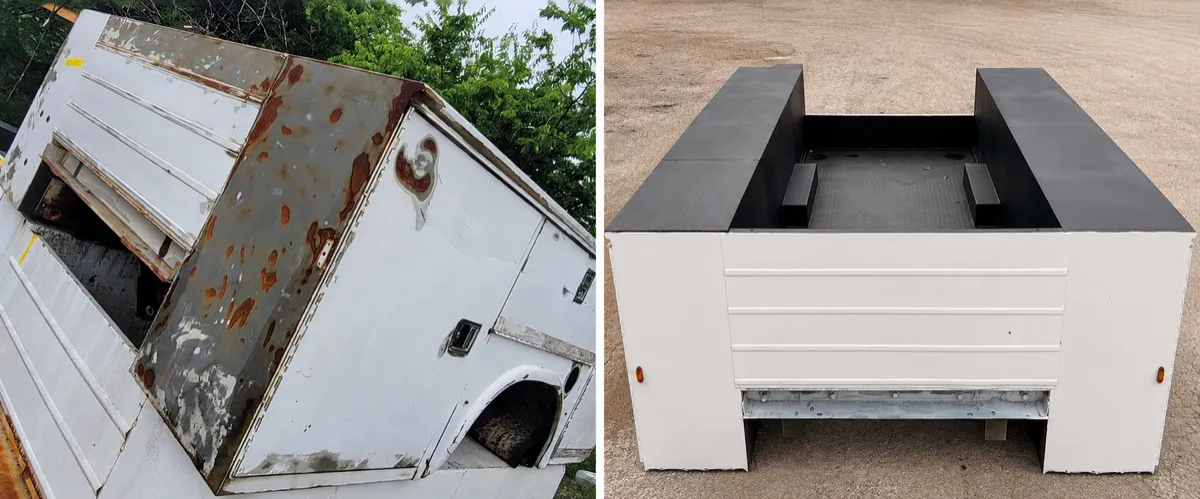
Before You Buy a Used Utility Bed: What Should You Inspect?
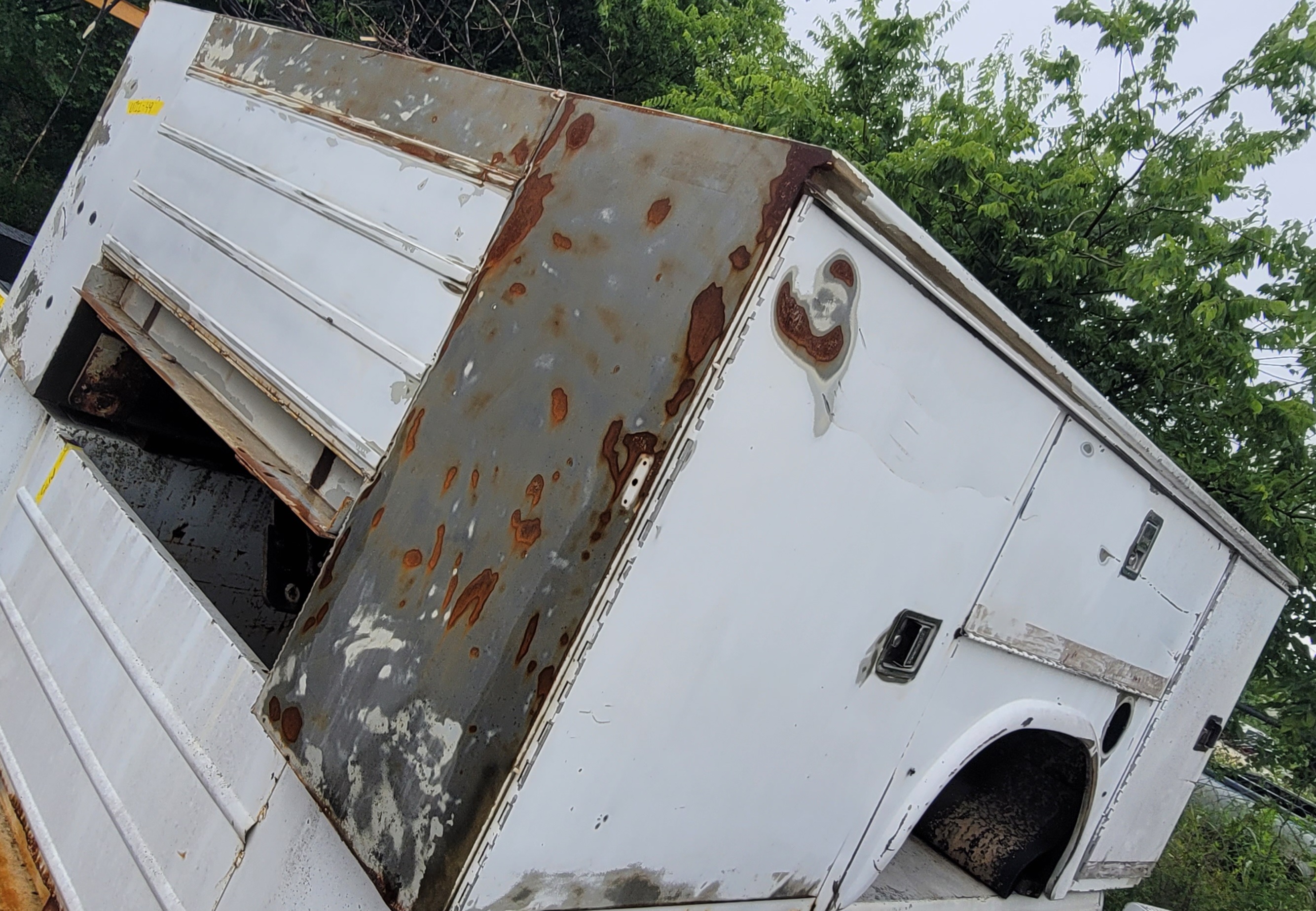
A used utility bed can be a smart investment—but only if it fits your truck, supports the work you perform, and does not come with expensive hidden problems.
Fresh paint and clean compartments can make a used bed look ready for service. However, appearance alone does not reveal the condition of its structure, mounting areas, doors, locks, or underside. A bed that seems affordable at first could require significant repairs before it can be safely installed and used.
Before purchasing a used utility bed, slow down and inspect more than what can be seen from a few online pictures.
Start With the Correct Measurements
One of the biggest mistakes a buyer can make is assuming that a utility bed will fit simply because it came from a similar truck.
Truck make, model, year, cab configuration, wheelbase, chassis type, and rear-wheel configuration can all affect compatibility. Two beds may look nearly identical while having different dimensions or mounting requirements.
Before agreeing to a purchase, confirm measurements such as:
Overall bed length and width
Distance between the wheel openings
Wheel-opening dimensions
Cab-to-axle measurement
Frame width
Mounting-point locations
Rear overhang
Compartment depth
Fuel-filler location
Single-rear-wheel or dual-rear-wheel configuration
Do not rely only on a seller saying, “It should fit.” Whenever possible, compare the utility bed’s measurements directly with the truck receiving it.
Inspect the Underside and Main Structure
The top and sides may look acceptable while the underside tells a completely different story.
Look underneath the bed for excessive rust, cracked welds, bent crossmembers, damaged mounting areas, and previous repairs. Surface rust may be manageable, but severe corrosion can weaken areas that support the bed and its load.
Pay close attention to:
Structural crossmembers
Mounting brackets
Welded joints
Areas around the wheel openings
Corners and lower edges
Places where water or debris may collect
Sections that appear bent, patched, or recently covered
A new coat of paint can improve appearance, but it does not correct structural damage underneath it.
If possible, inspect the bed before it is installed. Once it is mounted on a truck, some areas become much harder to see.
Check Every Door, Drawer, and Compartment
Utility-bed compartments are meant to provide secure, accessible storage. If the doors do not function correctly, a major benefit of owning the bed is lost.
Open and close every compartment. Do not check only the most accessible ones.
Look for:
Doors that sag or rub against the frame
Bent hinges
Broken handles
Missing or damaged locks
Weak gas struts
Doors that will not remain open
Cracked weather seals
Water damage inside compartments
Rusted compartment floors
Drawers that stick or fail to close
Evidence that tools have been forced into damaged storage areas
A door problem might appear minor, but replacing hardware and correcting alignment across several compartments can quickly increase the total repair cost.
Look for Water Intrusion
Water inside a utility bed can damage tools, electrical equipment, parts, and supplies. It can also accelerate corrosion in areas that are difficult to notice.
Inspect the compartment floors, corners, seams, and door openings for:
Standing water
Rust trails
Discoloration
Flaking paint
Dampness
Damaged seals
Drain holes that are clogged or missing
Previous sealant repairs
If the bed has recently been washed, ask whether it was cleaned for the sale or whether the seller may be trying to hide dirt, leaking fluids, or corrosion.
A clean bed is not automatically suspicious, but it deserves a careful inspection.
Examine the Floor and Load Area
The condition of the main floor can reveal how heavily the utility bed was used.
Dents, scrapes, and worn paint are expected on working equipment. More serious concerns include deep corrosion, holes, buckled sections, separated seams, or areas that flex under weight.
Check whether the bed has been used to carry unusually heavy equipment. Damage near mounting points, corners, or the center of the floor may indicate that the bed was overloaded or improperly supported.
If the bed includes a bumper, hitch, rack, vise mount, crane reinforcement, or other attached equipment, inspect those areas separately. Additional equipment places concentrated stress on the surrounding structure.
Identify Previous Repairs and Modifications
A repaired utility bed is not necessarily a bad purchase. A properly completed repair can extend its useful life.
The concern is whether the work was performed correctly.
Look for welds that appear uneven, incomplete, cracked, or different from the surrounding factory welds. Check for plates added over damaged metal, holes from removed equipment, cut wiring, modified brackets, and sections that do not appear symmetrical.
Ask what equipment was previously mounted to the bed. A crane, compressor, liftgate, hitch, or heavy toolbox may have required reinforcement or electrical connections that affect how the bed can be used in the future.
Modifications should be evaluated based on your intended use—not only the previous owner’s setup.
Do Not Ignore Electrical Components
If the utility bed includes lights, work lamps, warning lights, a trailer connection, powered locks, or other electrical equipment, test everything possible before purchasing.
Inspect wiring for:
Exposed conductors
Loose connections
Corrosion
Missing connectors
Improvised splices
Damaged light housings
Wires cut during removal
Components that no longer operate
Even when the bed itself is in good condition, repairing an incomplete or poorly modified electrical system can add time and expense to the installation.
Consider How the Bed Was Removed
Ask how the utility bed was taken off its previous truck.
Improper lifting or removal can bend the structure, damage mounting points, or twist the bed. If it is sitting unevenly on the ground, blocks, or supports, inspect it carefully before assuming the surface underneath is the only reason.
Check whether important mounting hardware, filler-neck components, lights, brackets, and wiring connections were included with the bed. Missing parts may need to be replaced or fabricated during installation.
Think Beyond the Purchase Price
The listed price is only one part of the total investment.
A used utility bed may also require:
Transportation
Removal of old equipment
Cleaning and surface preparation
Rust treatment
Welding or structural repair
Door and compartment repair
Replacement locks, hinges, seals, or struts
Electrical repair
Sanding and refinishing
Painting or protective coating
New lights or accessories
Fabricated mounting components
Professional installation
A lower-priced bed that requires extensive work may cost more than a better-condition option. On the other hand, a structurally solid bed with repairable cosmetic wear may be an excellent candidate for refurbishment.
The key is knowing what you are buying before money changes hands.
Ask Whether It Fits the Job—not Just the Truck
Even if the bed fits the vehicle, it still needs to fit the work.
Consider:
What tools will be stored?
How frequently will each compartment be accessed?
Will long or oversized materials be carried?
Does the crew need a hitch, rack, liftgate, crane, or additional toolbox?
Is the bed’s weight appropriate for the truck?
Will the layout improve productivity or create new limitations?
Is there enough room for future equipment?
A utility bed should help the crew work more efficiently. If its layout does not support the company’s daily operations, a different bed may provide better long-term value.
When in Doubt, Have It Evaluated
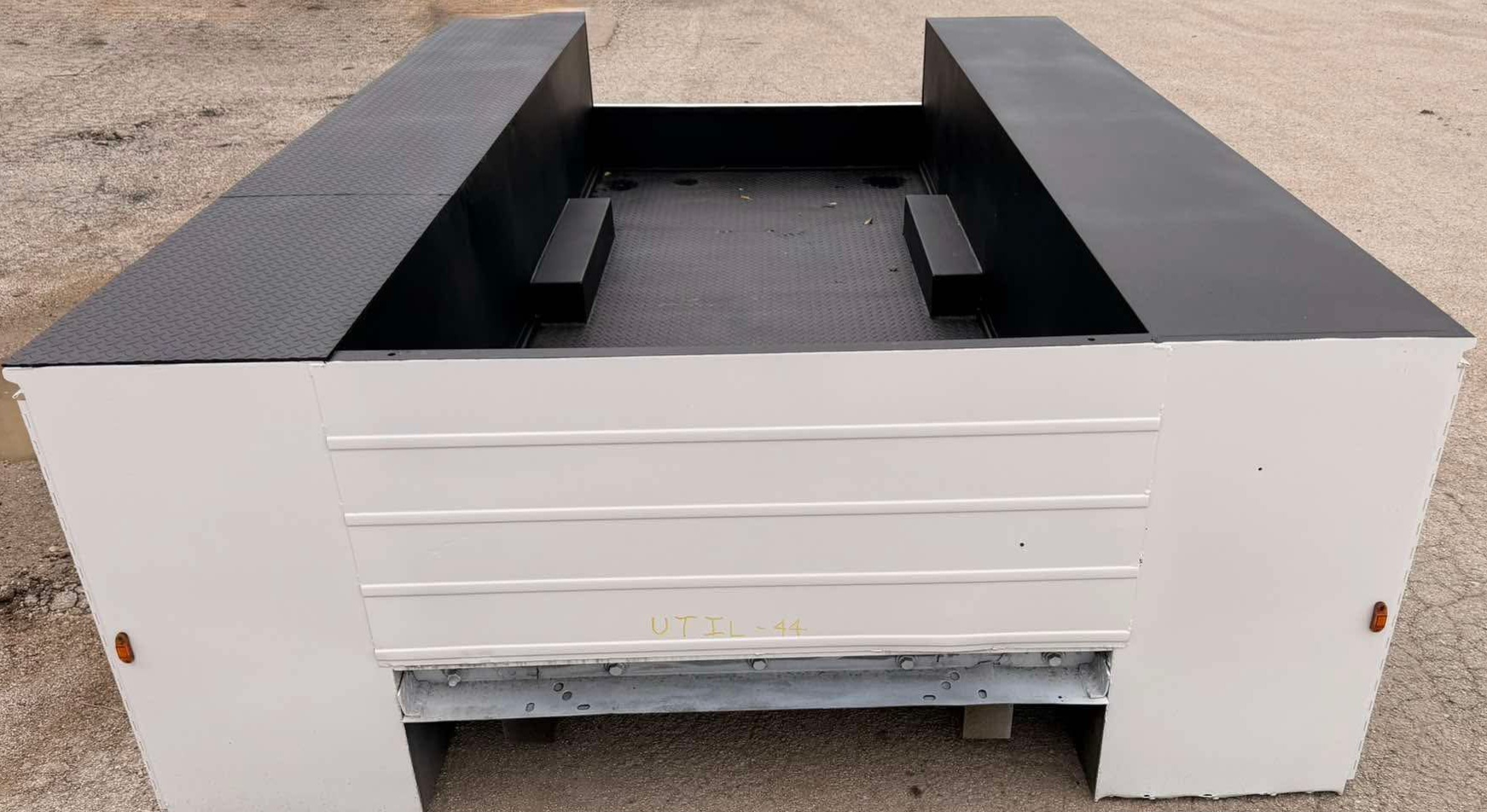
Pictures can help identify obvious damage, but they cannot always confirm fitment or structural condition.
Before purchasing a used utility bed, gather the truck information, bed measurements, photographs, and any available manufacturer details. A professional evaluation can help identify compatibility concerns and potential repair costs before the project begins.
Longhorn Upfitters works with contractors, service companies, and fleet operators throughout Arlington and the Dallas–Fort Worth area. We can assist with used utility-bed evaluation, refurbishment, removal, installation, welding, accessories, and other work-truck equipment needs.
Before buying, remember one rule:
A used utility bed is only a good deal if it fits the truck, fits the work, and can be put into service without creating a larger problem.
Call Longhorn Upfitters at 214-235-0921 to discuss a used utility bed, installation, or refurbishment project.
