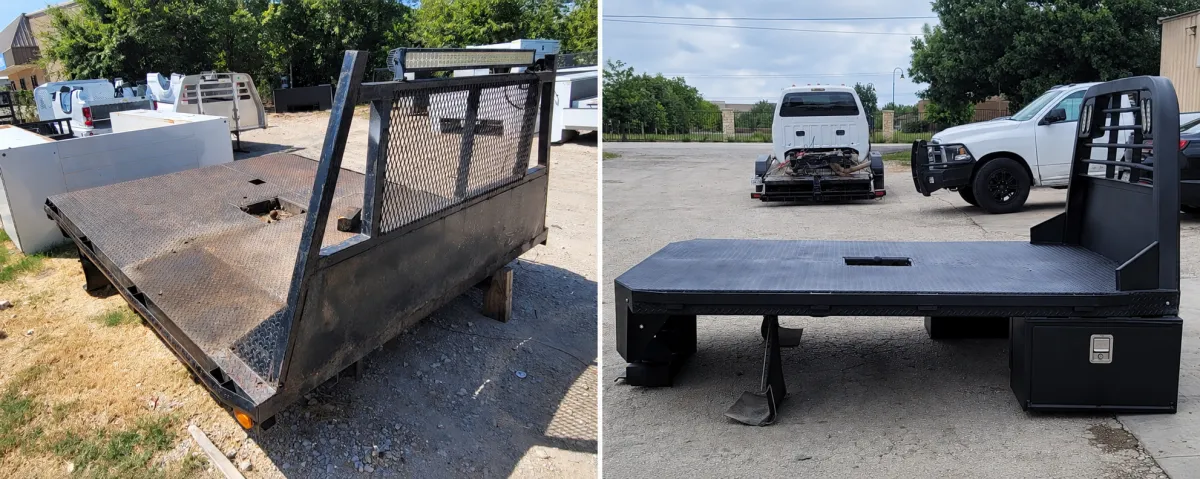
Is Your Work-Truck Setup Quietly Wasting Your Crew’s Time?
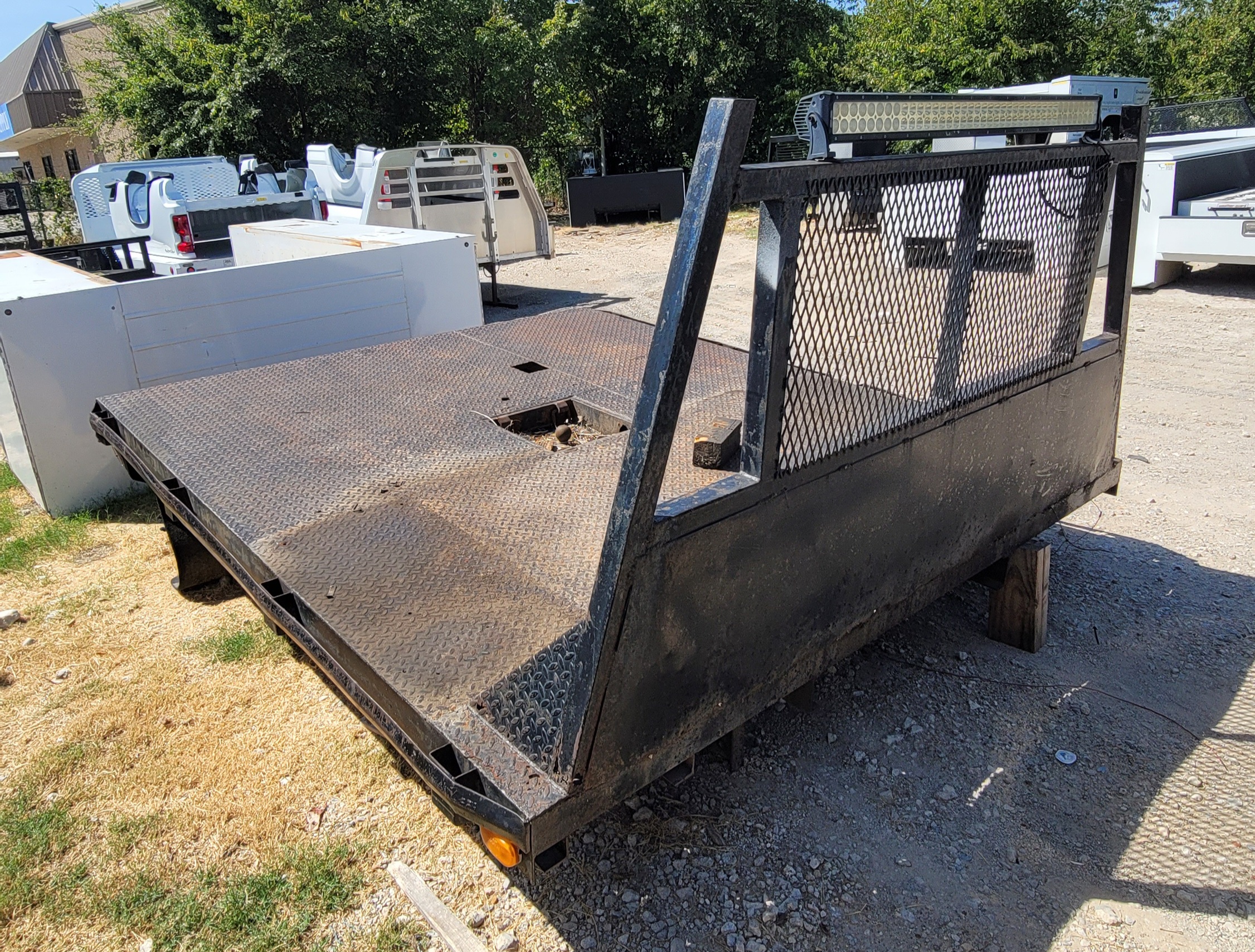
A work truck can be mechanically reliable and still cost your business time every day.
The problem may not be the engine, mileage, or age of the vehicle. It may be how the truck is equipped. Poorly organized compartments, difficult-to-reach tools, damaged doors, limited storage, or equipment that no longer matches the job can quietly slow down your entire crew.
A few wasted minutes may not seem serious—but when those minutes are repeated at every stop, across multiple employees and vehicles, they can add up to lost productivity, delayed jobs, and unnecessary frustration.
Your Truck Should Work With Your Crew
Every work truck has a purpose. Some carry tools and replacement parts. Others transport materials, support roadside work, haul landscaping equipment, or provide mobile service in the field.
The truck’s setup should support that purpose.
When equipment is difficult to access, employees may spend extra time:
Searching through unorganized compartments
Moving one piece of equipment to reach another
Climbing into and out of the truck repeatedly
Working around broken doors, latches, or drawers
Securing tools that do not have a proper storage location
Loading and unloading items by hand that could be handled more efficiently
Returning to the shop because necessary equipment was left behind
These small obstacles affect more than convenience. They can disrupt schedules, slow response times, and reduce the number of jobs a crew can complete.
Warning Signs That Your Current Setup Is Not Working
A work-truck problem is not always obvious. The vehicle may still operate, and the equipment may technically remain usable. However, your crew’s daily routine can reveal whether the setup is truly effective.
Here are several warning signs to watch for:
Tools and Materials Are Constantly Being Rearranged
If your crew must reorganize the truck throughout the day, the current storage layout may not match the work being performed.
Frequently used tools should be easy to locate and reach. Heavy or bulky equipment should have a designated position that allows it to be loaded and removed safely.
Compartments Are Difficult to Use
Damaged hinges, faulty latches, rusted floors, sticking drawers, and misaligned doors can make an otherwise useful service body frustrating to operate.
Employees may eventually stop using certain compartments altogether, reducing the truck’s available storage and creating more clutter elsewhere.
The Truck Carries Equipment It No Longer Needs
Businesses change over time. A truck that was equipped for one type of work may now serve a completely different role.
Old equipment can occupy valuable space, add unnecessary weight, and make it harder for the crew to organize what they actually use.
Your Crew Is Creating Temporary Solutions
Loose storage bins, improvised tie-downs, tools stacked in open areas, and equipment carried without secure mounting are signs that the current setup may no longer meet the crew’s needs.
Temporary solutions can easily become permanent habits—and those habits may create safety, organization, and efficiency problems.
One Vehicle Is Being Used for Too Many Purposes
Trying to make one truck handle every possible job often creates a layout that performs none of them particularly well.
A landscaping crew, mobile technician, contractor, and utility team may each require a completely different combination of storage, access, load space, and mounted equipment.
The Right Equipment Is Only Part of the Answer
Buying a new flatbed, service body, toolbox, liftgate, or accessory does not automatically create an efficient work truck.
The equipment must also fit:
The truck and chassis
The type of work being performed
The tools and materials being transported
The crew’s normal workflow
The expected payload
The way equipment needs to be accessed
The company’s future needs
That is why it is important to look beyond appearance or price when choosing truck equipment. A setup that looks impressive may still create problems if it does not support the vehicle’s actual job.
Repairing or Refurbishing May Be Enough
Not every inefficient work truck needs completely new equipment.
In some cases, repairing damaged components or refurbishing an existing truck body can restore its usefulness. Doors, compartments, mounting points, surfaces, and other components may be repairable depending on their condition.
Refurbishment may be worth considering when:
The main structure remains solid
The body still fits the truck and its intended purpose
The damage is limited to repairable areas
The current layout continues to serve the crew
Replacement would cost significantly more than restoration
The equipment still has useful service life remaining
However, replacement may be the better long-term decision when corrosion, structural damage, repeated repairs, or an unsuitable layout continues to interfere with operations.
The correct answer depends on the equipment’s condition, the truck’s purpose, and how the repair or replacement would affect the business over time.
A Better Setup Can Improve the Entire Workday
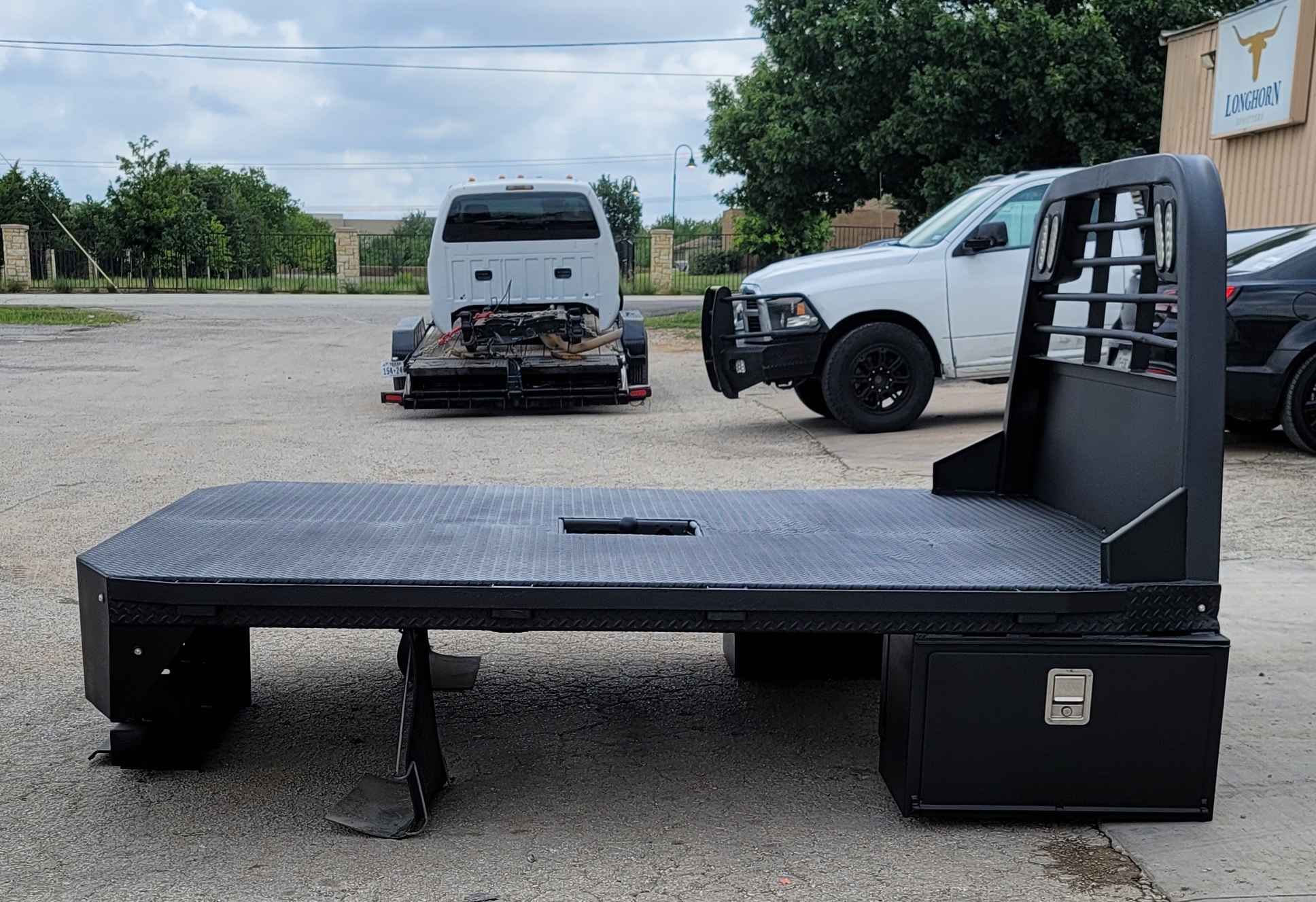
A properly equipped truck helps employees spend less time preparing and more time completing the job.
Depending on the business, improvements may include:
More accessible tool storage
Better use of available bed space
Secure equipment mounting
Easier loading and unloading
Repaired or refurbished compartments
A flatbed or service body better suited to the work
Liftgate installation or repair
Custom welding and fabrication
Additional toolboxes and work-truck accessories
A landscape bed designed around the crew’s equipment
The goal is not to add equipment simply for the sake of adding it. The goal is to create a truck that helps the crew perform its work more efficiently.
Ask the People Who Use the Truck
Fleet managers and business owners may not see every inconvenience employees experience in the field.
One of the best ways to identify problems is to ask the crew:
“What part of this truck slows you down the most?”
Their answers may reveal issues that have gradually become accepted as part of the job. A compartment that never opens correctly, a tool that is difficult to reach, or a loading process that requires several unnecessary steps could be costing more time than anyone realizes.
Is Your Work Truck Helping—or Getting in the Way?
A work truck should be more than transportation. It should function as a dependable part of your operation.
If your current setup is creating delays, limiting storage, or making routine tasks more difficult, it may be time to evaluate whether repairs, refurbishment, additional equipment, or a different truck body would make more sense.
Longhorn Upfitters helps businesses, contractors, and fleet operators throughout Arlington and the Dallas–Fort Worth area improve the way their work trucks function. Our services include flatbed and service-body installation, used utility-bed refurbishing, trailer repair, liftgate installation and repair, custom welding and fabrication, landscape-bed builds, accessories, and other work-truck solutions.
Have your crew answer one question today:
What is the most frustrating part of using this truck?
That answer may point directly to the next improvement your operation needs.
Call Longhorn Upfitters at 214-235-0921 to discuss your work truck, equipment, or project needs.
